
Why Restaurants With Great Food Still Lose Repeat Business
A guest finishes dinner and tells the server the food was excellent. They may take a photo, recommend the place to a friend, and leave looking happy. Then they never come back. Restaurant owners see this more often than they expect. Good food may bring people in, but a restaurant’s repeat business depends on everything around the meal, too.
The welcome, service pace, comfort of the room, bill, and goodbye all affect whether the guest wants to return. It is rarely one big mistake. A late drink here or a long wait there can be enough to put someone off coming back. That is often where the rest of the guest experience starts to matter more than the food itself.
Why Great Food Alone Does Not Create Restaurant Loyalty
Food is usually what gets a guest interested in a restaurant. It is also what they are most likely to mention after the visit. But liking the meal does not always mean they want to repeat the whole evening. TouchBistro’s 2025 survey of more than 1,500 American diners found that people kept dining out even as restaurant costs went up. That also means guests are paying closer attention to what they get for their time and money. They are judging the full visit, not just the plate.
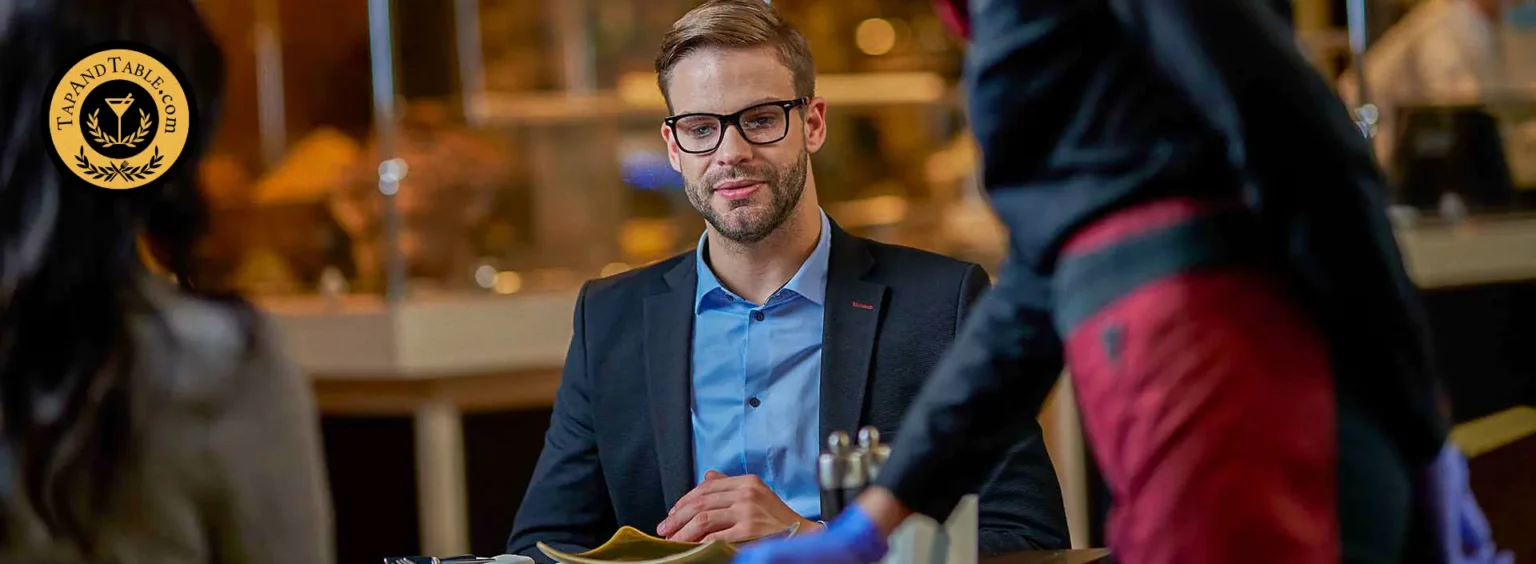
A couple may love their entrées but still remember standing in a crowded entrance with no update. Their drinks may have arrived late, or they may have waited another 15 minutes just to pay. The food was good. The evening still felt tiring. Repeat restaurant customers usually come back because they trust the restaurant to deliver another good visit. A strong dish helps. Knowing the experience will feel easy and dependable matters just as much.
Inconsistent Guest Experiences That Prevent Repeat Visits
One night, everything runs well. The next time, the same guest leaves disappointed. The food can taste the same, but a slow greeting, missed update, or long wait for the check can make the restaurant feel unreliable. This is where restaurant guest loyalty starts to fade. Guests know that a busy Friday will not feel like a quiet Tuesday. They still expect the important parts of the visit to be handled well.
A few moments tend to stand out:
- A clear welcome at the door
- Honest updates when there is a delay
- Attention after the food arrives
- A simple payment process
- Calm help when something goes wrong
Busy nights usually show where the gaps are. When the team catches those problems early, they have a better chance of fixing them before guests decide not to return.
Poor Service and Hospitality That Drive Customers Away
Good service is not only about taking the right order. Guests notice whether the team feels present, welcoming, and easy to reach. A delay on its own may not ruin the visit. Being left without an explanation can. When no one checks in, the table starts to feel forgotten.
These moments shape repeat dining behavior. Guests remember waving down a server, asking for the same thing twice, or waiting too long when they were ready to leave. The response can be simple. Notice the problem, acknowledge it, and tell the guest what is happening. A clear update often does more than avoiding the table and hoping the issue passes.
How Dallas Restaurants Build Strong Customer Retention Strategies
Dallas diners have plenty of places to choose from. A restaurant may not lose a guest because another kitchen serves better food. It may lose them because another place feels easier, steadier, or more welcoming. Strong restaurant customer retention starts by seeing the visit from the guest’s side. Ratings can point to a problem, but repeated service issues often tell owners more about what needs attention.
A practical review should look at a few key areas.
Walk the Full Guest Journey
Begin with the reservation or arrival, then follow the visit all the way through. Notice where guests are kept waiting, need to ask again, or are left wondering what comes next.
Compare Different Shifts
Lunch may run well while dinner feels rushed. One team may explain delays clearly, while another pulls away from the table when a problem comes up. Looking across shifts can show where communication, training, or responsibility is breaking down.
Train Around Real Situations
A script can only take the team so far. Staff still need to know what to do when a table has been waiting, a dish is late, or someone is ready to pay. Most guests just want to feel noticed without having to ask again.
Fix the Experience Before Adding More Offers
A discount may get someone back through the door once. It will not help much if the same service issues are still there. Get the visit right first, then let promotions support it.
Tap & Table helps restaurant teams look at the full operation behind the guest experience. That includes service flow, staff communication, shift consistency, and the small delays that can make a visit feel harder than it should. The goal is to find practical changes that work during real service, not just on paper.
Conclusion
Guests may hear about a restaurant because of the food. They come back when the full visit feels easy, reliable, and worth their time. Improving restaurant repeat business means looking beyond the menu. A warm welcome, steady service, clear updates, fair value, and a smooth departure all play a part in whether the guest returns.
Tap & Table helps restaurant teams find the service and operational gaps that may be pushing guests away. By reviewing the visit from arrival to departure, restaurants can make useful changes that support repeat visits without depending only on discounts or promotions.

About the Author
Joseph Chickering
Frequently Asked Questions
How can poor departures hurt restaurant revenue?
Poor departures can slow table turnover, reduce repeat visits, lower review quality, and weaken the overall restaurant guest experience after an otherwise good meal.
Why does the final part of the restaurant guest journey matter?
The final part of the restaurant guest journey shapes what guests remember. Slow checkout, missed payment timing, or no goodbye can make the whole visit feel weaker.
What is the easiest way to improve restaurant guest satisfaction at departure?
Start with check timing, payment time, table reset time, and a real thank-you. Small fixes near the end can improve restaurant guest satisfaction without changing the whole service model.
Does this apply to bars, too?
Yes. Bar guests notice slow closeouts, missed final rounds, and seats that do not reset quickly. A better departure helps both service and sales.