
Why People Choose One Restaurant Over Another (And How to Be That Choice)
Most restaurant decisions happen fast. People are hungry, already tired of debating, and usually trying to make everyone in the group happy. They are not looking for the perfect place. They are looking for a restaurant that gives the impression of a safe choice.
- Safe means no embarrassment.
- Safe means no wasted money.
- Safe means no awkward silence at the table when the food shows up.
Let’s simplify this concept in a way that actually makes sense for restaurant owners.
How Guests Actually Pick a Restaurant
Guests do not think like owners. Owners think about food quality, sourcing, recipes, and effort. Guests think about outcomes.
They are asking themselves things like
- Will service be slow?
- Are the chairs comfortable?
- Will the music be so loud that we end up shouting across the table?
- Are kids welcome here, or are we about to get side-eyed?
- Will I get credit for picking this place or take the blame if it disappoints?
- Will the bill feel fair when it hits the table?
Most of these questions get answered before the guest ever sees your menu. Often, before they even leave their house.
What Guests Look For Before They Walk In
Nowadays, everyone checks a few things online before entering any business, and restaurants are no exception. Someone pulls out their phone, looks for a few seconds, and makes a call without even realizing how quickly the decision was made.
Some of the things they are looking at include:
- How busy or how quiet the place seems.
- The type of images that represent the dining experiences of guests is.
- Whether the reviews seem legit or if they sound like paid ones.
If anything strikes off, they move on without overthinking it. No drama, no explanation. They just keep scrolling, keep driving, or walk right past the door to somewhere that feels like a safer bet.
The Simple Idea Behind Social Proof
If you strip away the marketing language, the social proof definition is extremely simple and very human.
Social proof is a fancy term for a simple human habit.
Always remember: “People trust choices that other people have already made and enjoyed.”
That’s it.
When someone sees a restaurant that others clearly choose, talk about, and return to, it removes doubt. It tells them they are unlikely to regret the decision, which is the core social proof meaning in real life.
Why Busy Restaurants Feel Safer to First-Time Guests
A busy restaurant signals safety in terms of quality and predictability.
Guests assume
✅Someone vetted this place before me. (The core idea behind the whole social proof concept)
✅ Other diners thought this was worth waiting for.
✅ My experience will be fine there.
Being busy does not have to be chaotic. Many people are afraid of chaos. A restaurant that appears to be busy and controlled gives the consumer confidence.
Conversely, an empty restaurant during peak hours makes diners suspicious of the restaurant, regardless of how good the food may be.
Reviews Are Not About Ratings. They Are About Expectations
Most owners tend to be obsessed with getting as high a star rating as possible, thinking it’s everything. When in reality, guests look for more factors beyond the star rating because many people know five-star reviews can be easily pushed with freebies or discounts.
What matters more to them is whether the review sounds honest and describes a real experience.
They pay attention to mentions of wait times, how staff handled problems, how loud the room gets, how big the portions are, and what kind of crowd usually fills the place. These details help them decide if the experience fits what they are looking for.
An honest review talking about delay, and how the staff dealt with the situation calmly, will build more trust than seven basic reviews giving a 5-star rating and just a thumbs up.
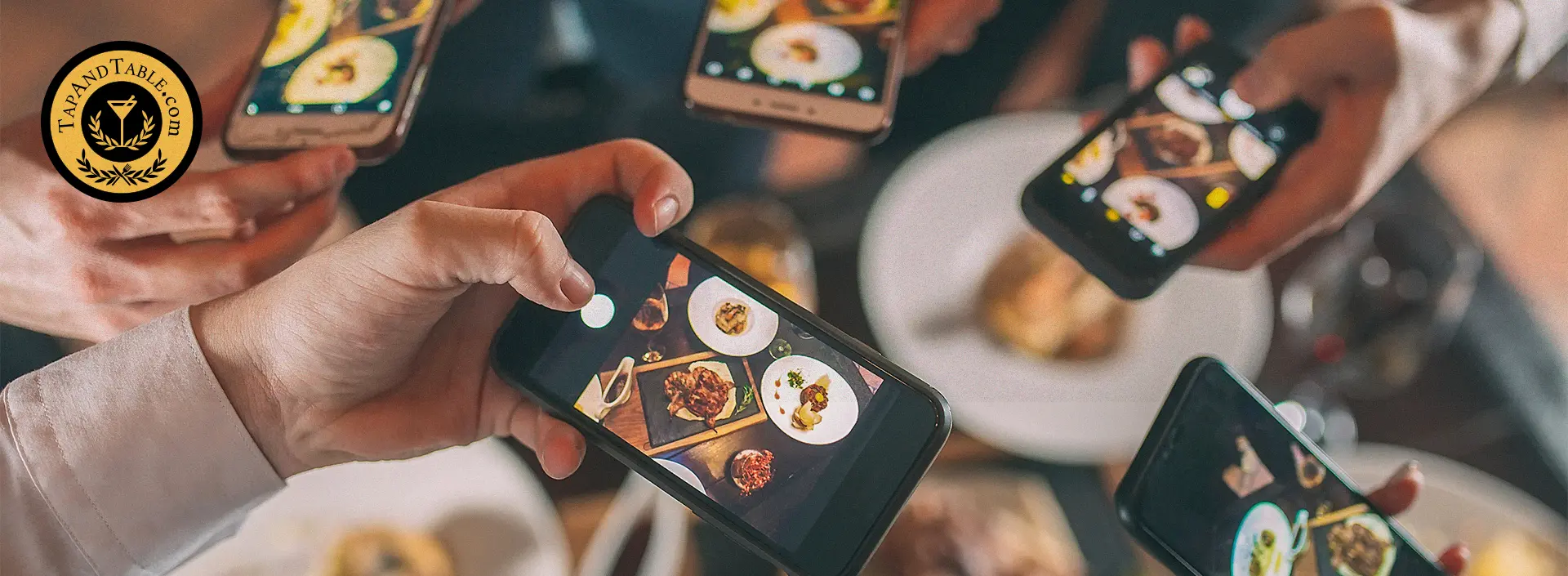
Photos Either Match Reality or Create Disappointment
Photos are promises.
Guests use them to judge.
- Portion size
- Lighting
- Atmosphere (The venue’s energy)
Over-edited photos set expectations that simply cannot be met on a day-to-day basis, leading to a breakdown of trust when the reality does not meet those standards.
Honest photos that depict what guests experience when they walk into a venue do more for a venue’s reputation than any perfect photo could ever achieve, which is why social proof marketing is much more effective when it has that real feeling.
The Dining Room Is Part of Your Reputation
The way your restaurant presents its entrance, the atmosphere throughout the dining area, and the level of professionalism among your servers are some of the first things guests notice when they arrive.
An empty-looking dining area during normal busy hours sends a negative impression. Clutter around the front host stand and visibly stressed staff send the same message.
The first impressions created by where guests are seated and how organized the first few minutes of their visit feel strongly influence whether they take the experience seriously or start second-guessing their decision to dine at your restaurant.
Online Presence and In-Person Experience Must Match
Marketing creates a perception of what to expect from the restaurant; operations meet those expectations.
When there is a discrepancy between the online story and the customer’s experience, the customer leaves feeling deceived. This gap can lead to negative word-of-mouth advertising and provide a way for restaurant owners to misunderstand the concept of social proof in their marketing efforts.
Successful restaurants ensure that consumers have the same experience in person as the one they viewed online.
What Restaurant Owners Can Control Starting This Week
Restaurant owners do not have to run a large promotional campaign to increase customer trust; there are small, simple ways to do so.
Some of the small things a restaurant owner can do include:
- Ask customers to write reviews immediately after a positive dining experience.
- Remove any photos you have posted of dishes that you no longer serve.
- Play the type of music that fits the setting of your restaurant; do not play music that you enjoy personally.
- Make the restaurant appear busy in a way that appears to be organized and not chaotic.
These are examples of owner-operated decisions, and restaurant marketing consultants frequently evaluate these areas first when diagnosing demand problems.
Why This Matters More Than Discounts or Ads
Discounts provide temporary business. Trust creates customers for a long time. Once a customer has confidence in you, they will bring other customers and stop second-guessing their decision. They will come back to you over and over again.
This natural growth in demand does not rely on constant sales promotions or paid ads from a restaurant’s digital marketing agency.
How TapAndTable Helps Restaurants Fix These Gaps
At TapAndTable, we offer state-of-the-art restaurant consulting services. We work with restaurants, bars, and lounges from the early concept stage to growth, reset, or full turnaround.
By developing a clear vision for your restaurant as well as communicating that vision to the appropriate target audience, we help bridge the gap between what you promise your guests and what they actually experience at your restaurant.
Closing Thought
People do not choose restaurants based on how owners want them to decide. They choose the option that feels least likely to disappoint.
When hesitation vanishes, decisions get easier. When decisions get easier, tables fill.
That is what social proof really does.
If your restaurant looks good online but feels off in real life, that’s fixable. Get in touch with us and let’s figure out what’s breaking trust and costing you guests.
Frequently Asked Questions
Can a small restaurant that does not receive a lot of foot traffic build trust with customers?
Definitely! The most important factors for building trust with new customers are quality pictures, authentic customer reviews, and providing a consistent level of service. Many times, people are more concerned about the first two factors than how busy a place might be.
Do negative reviews have an impact on a restaurant's reputation?
No! Most times, when people see a restaurant respond positively to customer complaints, they develop a greater level of trust toward that establishment than if the business hides its problems.
Does frequent staff turnover impact customer trust?
Yes! Inconsistent service usually produces a bad experience for customers. It is heavily reflected in their online reviews and in their frequency of patronizing an establishment, even if the food remains unchanged.
When will trust translate into increased customer traffic?
Trust typically translates into increased sales for a restaurant within a few weeks, but it is more frequent visits or referrals that precede an increase in revenue.