
The Rise of Ghost Kitchens and What Restaurant Owners Need to Know
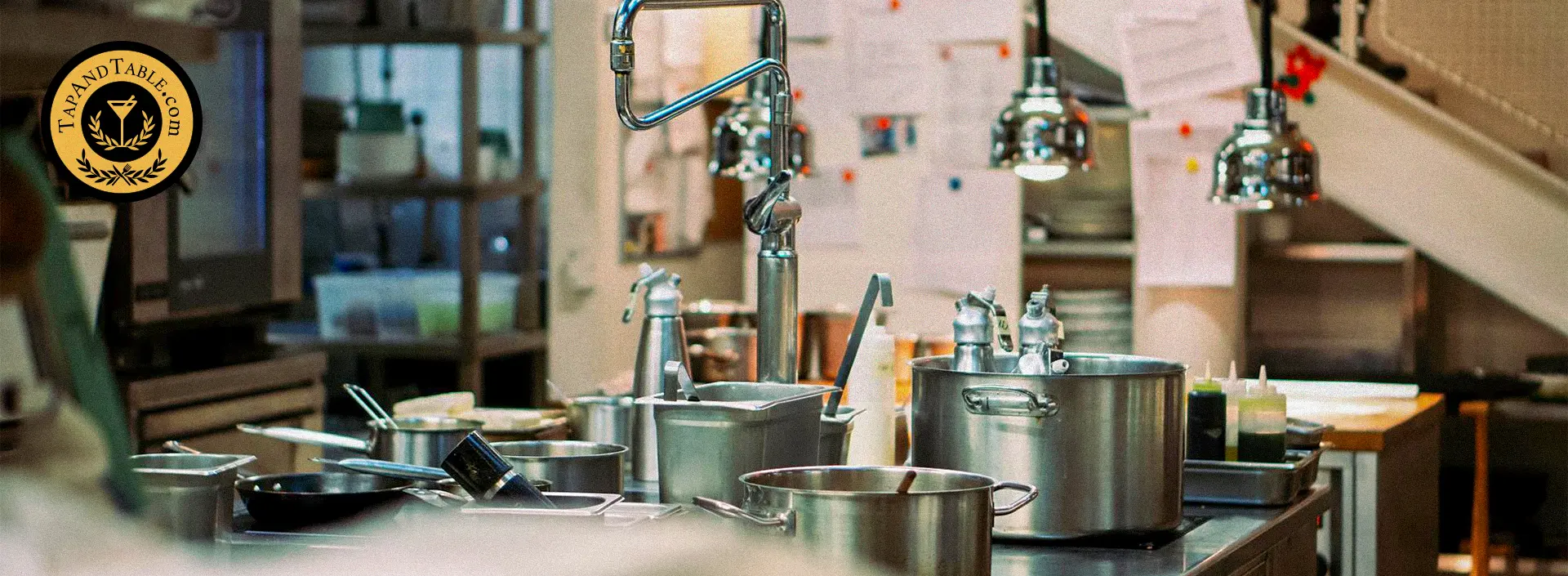
Ghost kitchens refer to a type of business that prepares food only for delivery and takeaway. In contrast to traditional restaurants, they don’t have seating capacity or staff to serve customers. They are also known as cloud kitchens and often host multiple virtual restaurants operating from the same kitchen.
They typically use much smaller spaces, ranging from approximately 200 square feet to approximately 1,000 square feet, when compared with traditional restaurant spaces that are usually over 2,000 square feet in size. A ghost kitchen would usually employ only cooks and packagers to prepare and ship items out to customers.
The operation workflow is optimized for fast cooking, packing, and handoff to delivery drivers. Operators keep track of the total number of live orders, peak periods of activity, and most popular items. Ghost kitchens utilize this live data to make menu changes based on actual demand and provide better customer service.
Why Ghost Kitchens Keep Growing
Globally, by 2023, food delivered through the online medium exceeded $1 trillion USD, and will hit about $1.6 trillion USD by 2027. Delivery-only restaurants take a significant portion of this due to customers often preferring the ease of getting food through delivery rather than going out to eat.
Currently (early 2026), it is estimated that the ghost kitchen industry will be worth about $80-90 billion USD worldwide. Projections suggest the ghost kitchen industry will be worth about $140-200 billion USD by 2030, with growth rates of 12-13% yearly.
The demand for ghost kitchens in North America is driven by urban population density and heavy usage of food delivery apps. The United States has numerous cloud kitchens, and they are helping to keep customers fed quickly when they get busy and do not have time to sit and wait to eat (instead, orders are fulfilled quickly).
Large chains are now getting in on it too; Wendy’s has partnered with a vendor to open hundreds of delivery-driven restaurants to capitalize on this trend and enter into new markets without having to incur the cost of opening full-service outlets.
Where Ghost Kitchens Save Money and How
The ghost kitchen business model trims overhead by 35-50% compared to full restaurants.
- Rent and Utilities: Small operational space saves money on rent/utilities.
- Labour: A smaller workforce to operate a ghost kitchen can consist of as few as 5-10 employees; there is no need for waitstaff or hosts.
- Build-outs: Cloud kitchens generally have minimal build-out costs because they are “bare-bones” and have minimal furnishings/fixtures.
- Inventory: Many of the ingredients for ghost kitchens can be used for multiple menus, which helps to reduce spoilage.
The startup costs for a ghost kitchen range between $75,000-$200,000 versus upwards of $500,000+ in most cases for standard full-service restaurants. Operators can quickly pivot and modify menus that may be weak in a matter of weeks.
Most ghost kitchen operators utilize packaging options that offer food transportation benefits. Thermal bags and leak-proof packaging ensure that food remains hot and is presented attractively when delivered.
The Downsides Operators Face
The significant fees charged by delivery apps, which can commonly be as high as 15-30% per order plus packaging costs, greatly reduce operators’ profits. To stay competitive, restaurant delivery economics demand tight pricing or accepting losses on promotions.
With such an overwhelming number of choices available on delivery apps, it takes a significant investment in advertising to differentiate oneself from competitors.
Having no physical presence makes it difficult to create customer loyalty because the relationship between the restaurant and the customer is primarily based on images and reviews.
Poor delivery methods also jeopardize the quality of food products. Delivery drivers have little to no experience operating delivery bags, which can result in delays or products arriving in an unattractive manner.
Some jurisdictions require businesses doing delivery only to obtain special designations and, as part of the process, require that those restaurants pass inspections regarding the physical condition of their kitchens.
Impact of Ghost Kitchens on Traditional Restaurants
Ghost kitchens are taking away the dine-in orders that would normally go to traditional restaurants. Many people order from the most convenient virtual restaurant on their phone instead of going into a dine-in restaurant.
Traditional restaurants lose money on delivery, as they pay the delivery fees and have to charge the same price for food that cloud kitchens charge, but have much higher operational costs.
For many restaurants, combining dine-in and delivery causes extra challenges for the kitchen. On the flip side, the overall delivery boom brings more people to restaurant food.
The crowd of virtual restaurants today pushes actual restaurants lower down in search results.
Practical Moves for Traditional Owners
Start virtual restaurants in your current kitchen. Run delivery menus during slow times with overlapping ingredients.
- Focus on transportation-friendly foods that hold their crispness and heat whilst travelling.
- Create side brands to target niche areas, such as plant-based foods and late-night dinner items, without changing your brand.
- Utilize a separate way of tracking to help keep your records of how many additional monthly sales were made through side brands.
- In addition to having a primary restaurant location, rent space in a ghost kitchen hub to test out new offerings before bringing them to your primary location.
- Accept orders directly rather than through delivery platforms. This will ensure that the restaurant receives all customer data and payment information.
- Use branded, quality packaging for food to enhance its look compared to competitors.
- Maximize the appeal of your business on delivery applications by taking excellent photographs, providing detailed descriptions, and offering promotional discounts to increase business ranking.
- Use a combination approach of providing a dine-in experience while offering new delivery options. This approach will help cushion against downturns in business and changes in consumer behavior.
As established restaurants tend to attract more trust than unfamiliar brands, diners often choose a known restaurant over a new virtual concept offering similar products.
A good ghost kitchen consultant can help you design and develop logical and creative restaurant concepts that bring more guests.
How TapAndTable Can Help with Ghost Kitchens
TapAndTable provides restaurant consulting focused on hybrid models, from assessing off-premise potential to launching virtual brands from existing kitchens.
We specialize in hybrid models and provide:
- Off-premise potential assessments
- Launch support for virtual brands from your existing kitchen
- Restaurant concept development for delivery-only menus that share ingredients and prep lines
We provide ghost kitchen consultant services that will help restaurant owners capitalize on growing delivery demand while protecting their dine-in profit margins and brand recognition, and ensuring controlled costs across all distribution channels, right from the start, to capitalize on these trends by creating unified systems for restaurant delivery profitability.
The Road Ahead: Balancing Old and New Models
Ghost kitchens expose weaknesses in costs and speed, but also open doors for testing ideas cheaply. As operators begin to expand into delivery options (whether via virtual brands or smart partnerships), traditional restaurants are offering more flexibility.
The successful operators will view delivery as a part of their core business, will utilize data to make very specific decisions about their delivery business, and will do everything possible to protect the factors that will cause customers to return: consistent quality food and a defined brand identity.
Operators who do not act on changing consumer preferences will be left behind, while those who embrace change with thoughtful planning and control will be more competitive.
If you are evaluating a ghost kitchen, virtual brand, or delivery expansion, TapAndTable can help you plan it the right way. Contact us to assess feasibility, cost structure, and execution before you commit.
Frequently Asked Questions
Can a ghost kitchen operate across multiple states in the US under one brand name?
Yes, a ghost kitchen can operate across multiple states in the US under a single entity, as long as they follow the laws of each state with regard to permits, taxes, and health compliance, and perform those necessary steps in each city they intend to operate in.
How do ghost kitchens create brand loyalty when they don't have physical storefronts?
By remaining consistent with product quality, quantity, and delivery reliability. Good food that shows up the same way every time stays in a guest’s head, so when they are deciding what to order again, your brand comes to mind without much thought.
Is it more beneficial to rent a shared kitchen space or develop an independent kitchen space for your ghost kitchen?
Shared kitchen spaces can be beneficial in initial product-testing phases, while developing an independent kitchen space would be practical after levels of production become stable.