
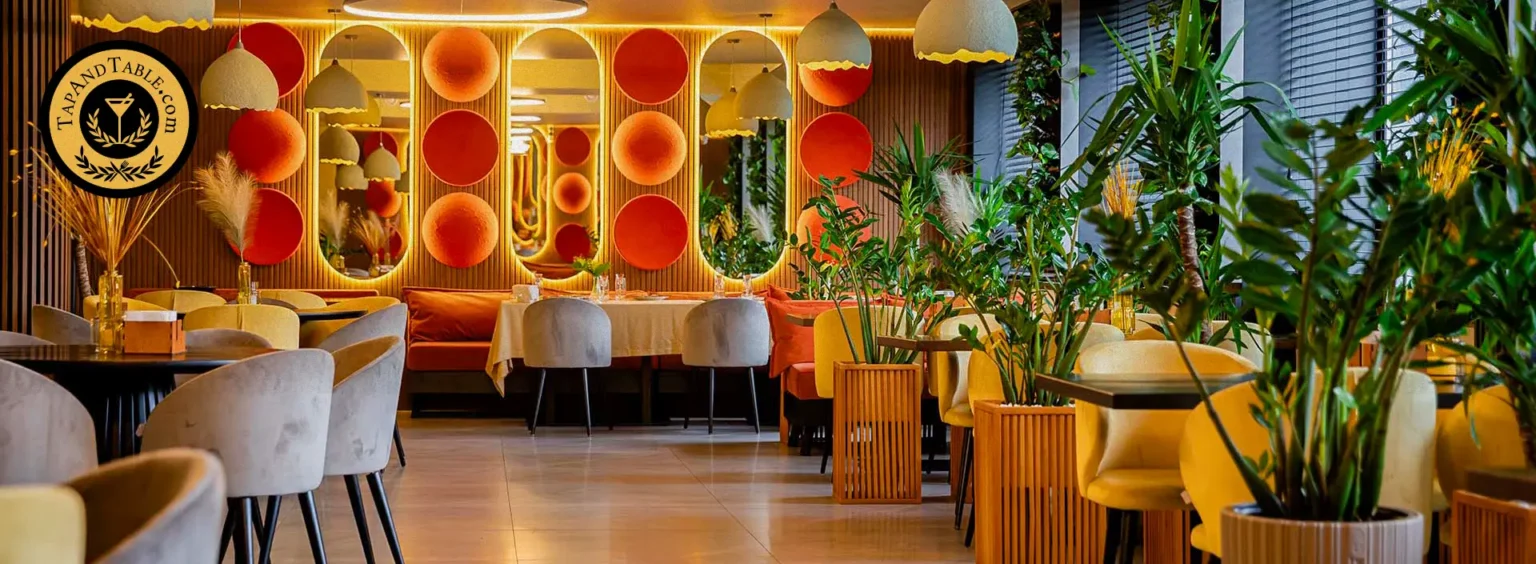
How Restaurant Ambiance Impacts Dwell Time & Profit
A restaurant can feel busy and still not have a great shift. The room may be full, the bar may have people around it, and the staff may be running all night. Then the sales are checked later, and something still does not add up.
It is usually not one clear problem. A table sits, after paying, because no one wants to interrupt them. A couple leaves after one drink because the room feels too loud. A group might have ordered dessert, but the meal already felt wrapped up. From the floor, everything looks active. On paper, the room did not do enough.
Restaurant ambiance and profitability should not be treated as separate things. The room affects people while they are sitting there. Music, lighting, seating, bar flow, and layout all change the way guests order, stay, and move through the visit.
Why Restaurant Ambiance Influences Guest Behavior and Spending
The guests will not say that the ambiance is wrong. They just feel uncomfortable, rushed, boxed in, or tired of the room. Sometimes it is the music. Sometimes it is the lighting. Sometimes the tables are too close, or the bar is hard to reach. That is part of the restaurant guest experience. A good room makes people settle in without thinking too much. They order another round, look at dessert, or stay long enough for the visit to feel worth it. A bad room does the opposite. Guests finish, pay, and leave.
The National Restaurant Association projected U.S. restaurant sales to reach $1.5 trillion in 2025. It also said guests now look at value through the full visit, not only the price of the meal. Food matters, but the room matters too. For operators, this is where ambiance becomes practical. A strong menu can bring people in. The room helps decide if they stay, spend, and come back.
How Lighting, Music, and Layout Affect Guest Dwell Time
Dwell time is the time a table stays in use. It starts when guests sit down and ends when the table is ready again. A longer stay is fine if the table is still ordering. It is not fine when the check is closed, the table is sitting, and new guests are waiting.
Lighting changes how the room feels
Lighting should fit the shift. Brunch usually needs a brighter room. Dinner can be warmer. Late night can be darker, but not to the point where guests are squinting at the menu or staff are working around blind spots. The room still has to be easy to use. Good lighting is less about looking fancy and more about helping that shift run properly.
Music changes the pace
Restaurant music and customer behavior are connected. A 2024 field study found that slower background music was linked with longer guest stays, while faster music was linked with shorter visits. One playlist all day usually misses the mark. Brunch, happy hour, dinner, and late-night all bring a different crowd. Music should match the room, not just fill the silence.
The layout shows up during service
The restaurant interior design impact is easy to see when the room gets busy. Tables too close, tight server paths, or a bar with no clear ordering point can slow the whole shift. A good layout gives guests enough comfort and gives the team enough room to work.
Ambiance Mistakes That Reduce Restaurant Revenue and Repeat Visits
The places set the room once and leave it alone. Same lights, same music, same setup, even when the crowd and the service have changed. The room cannot run the same all day. Brunch has one pace, dinner has another, and late night has its own energy. A slow weekday is not a packed Saturday.
Common issues include:
- Music that makes guests talk too loudly
- Lighting that looks nice, but makes ordering harder
- Too many seats are packed into the room
- A bar that creates waiting instead of sales
- Tables that sit too long after payment
- Seating that does not fit the concept
- No real change between service periods
Here, restaurant atmosphere and revenue have to be reviewed together. A long visit can help when guests keep ordering. It can hurt when they are done, the table is closed, and another party is waiting.
The answer is not to rush people out because guests notice that. The better move is to find the slow spots. Checks, resets, bar access, table placement, lighting, sound, and staff movement. Small problems in the room can quietly take money out of the shift.
How Dallas Restaurants Use Ambiance to Improve Profitability
Dallas has no shortage of restaurants and bars, so guests do not wait around for a room that feels off. They will just try somewhere else next time. A brunch spot needs light and social energy. Happy hour needs quick ordering, clear menus, and good bar flow. Dinner needs warmth without slowing the room down. Late-night needs energy and a bar setup that keeps drinks moving.
This is where restaurant ambiance design becomes real business work. A brunch place, cocktail bar, sports bar, and casual restaurant should not run the room the same way. Tap & Table helps restaurant and bar operators look at the room during actual service. Where do guests slow down? Where does the bar get stuck? Which tables sit too long? The goal is simple: make the room better for guests and easier for the business to run.
Conclusion
Ambiance is easy to ignore until the shift feels off. Guests may not say the room was too loud, too dark, too tight, or too slow. They may just order less, leave sooner, or not come back as often.
That is why restaurant ambiance and profitability belong together. The room has to fit the concept, but it also has to work on a busy night. Staff should be able to move. Guests should be able to order without friction. The bar and tables should not feel stuck.
For restaurant and bar owners, this is worth checking before a new opening, remodel, or concept change. Tap & Table can look at the room, the flow of service, and the small points that may be slowing the shift down.

About the Author
Joseph Chickering
Frequently Asked Questions
What makes a restaurant's ambiance good?
It should feel right for the place. A brunch spot, a cocktail bar, a sports bar, and a dinner restaurant all need a different room feel.
Can ambiance affect restaurant sales?
Yes, if the room feels right, guests may stay longer, order more, and come back. But when it feels off, they may leave sooner.
How can a restaurant improve sales without adding more seats?
Look at the room first. Table reset, bar flow, lighting, music, menu visibility, and service pace can all affect sales.