
Why Restaurants Lose Money During Busy Hours
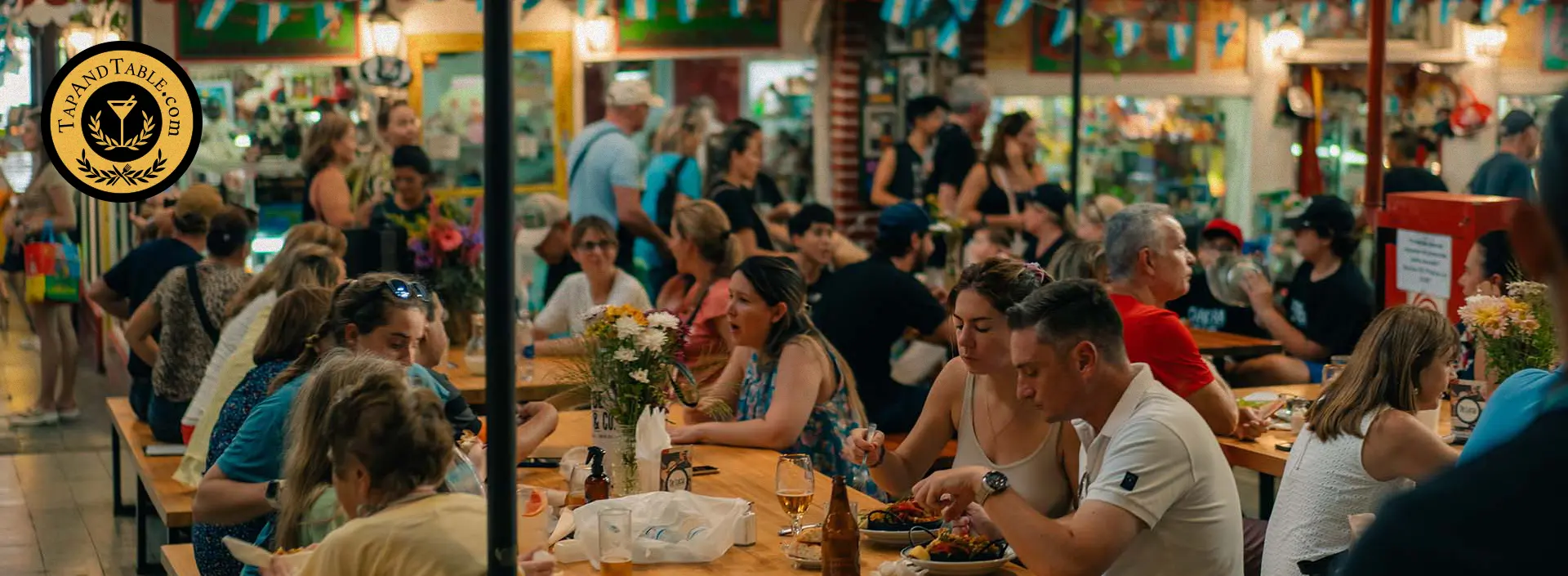
Ask any restaurant owner about a busy night, and they can usually picture it right away. The door keeps opening, and the bar is full. Servers are carrying two or three things at once. The kitchen printer will not stop. From the floor, that kind of night feels good. Then the closeout tells a different story.
Sales were there, but labor was heavy, so two tables waited too long. The kitchen had a few remakes. A manager took something off a check. Maybe the bar missed second drinks because everyone was just trying to keep up. That is often why restaurants lose money at busy hours. The restaurant is not empty, but the problem is that the rush brings extra cost at the same time it brings extra sales.
Why Busy Restaurants Still Struggle With Profitability
A full dining room can hide problems better than a slow one. On a slow night, every issue is easier to see. During a rush, everyone is moving, and nobody has time to stop and ask where the money is leaking. The shift feels alive, but small misses are happening all over the room.
A restaurant may bring in more sales during peak hours, but it may also pay more to make those sales happen. More people are on the clock. The kitchen is using more product, and the bar is backed up. Managers are fixing problems instead of watching the whole floor.
Labor is a good example. In 2024 labor costs for full-service restaurants were 36.5% of sales, according to the National Restaurant Association. Profitable full-service operators accounted for some 34.2% of the total. Those that reported losses were much higher at 42.9%. That is a big gap when every point matters.
This is where restaurant operational inefficiency shows itself. It is rarely one huge mistake. It is usually a bunch of small ones that pile up during the busiest part of the shift.
Slow Table Turnover That Reduces Restaurant Revenue
A table can be full and still be costing money, and this sounds strange, but it happens all the time. A guest is done eating, but the check has not dropped. The check is paid, but the table has not been cleared. The table is cleared, but no one has reset it. Meanwhile, another party is waiting at the door. That is the kind of slow table-turnover restaurant issue that hurts busy nights.
The answer is not to rush people out. Guests can tell when they are being pushed, and that is not good service. The better answer is to remove the dead time. There is a difference between a guest enjoying a meal and a table sitting untouched for ten minutes after payment. One builds the experience. The other blocks’ revenue.
Managers should watch the gaps between steps. Greeting, drinks, food, check, payment, clearing, and reset. The delay usually has a pattern if someone is watching closely enough.
Kitchen Bottlenecks That Delay Orders During Peak Hours
The kitchen feels every weak spot once tickets start stacking. A modifier gets missed. A burger goes out wrong. Fries sit too long. One plate has to be remade. Now the server is waiting, the guest is waiting, and the next ticket is already behind. That is how kitchen bottlenecks and restaurant problems spread.
They do not stay on the line. They hit the servers, the managers, the bar, the host stand, and the guest. A good kitchen during a rush is not only fast but also efficient, and it is organized. Expo knows what is missing. Servers know what is running behind. The line knows who needs to be fired next? When that breaks down, the whole restaurant starts paying for it.
Staff Coordination Problems That Hurt Peak-Hour Sales
Most restaurant peak hour problems are not because people are lazy. Often, it is the opposite because everyone is working hard, but not always in the same direction. The host seats three tables in one section, and the bar falls behind. A server is stuck waiting on food. Bussers are trying to catch up. A manager is handling one upset guest while two new issues are starting somewhere else. That kind of shift feels busy, but it does not always make money.
Missed sales are easy to overlook here. A server may have sold another drink, dessert, side, or appetizer, but there was no time to ask. Guests do not always complain about that, because they just close out and leave. The same thing happens with labor. If staff stays too long after the rush, payroll eats into the night. If people are cut too early, service drops and guests wait. Neither one works well.
Good coordination starts before the rush, such as clear sections, backup help, and simple handoffs. A manager who is not only reacting but also watching where the shift is about to get tight.
How Dallas Restaurants Can Improve Restaurant Operations During Busy Hours
Dallas restaurants know how fast a room can fill up, mostly for dinner, weekends, games, events and bar traffic. The floor is steady for a minute. Then the host stand, bar, and kitchen are all under pressure at the same time. To improve restaurant operations during busy hours, the fixes do not have to be complicated.
Start with a better pre-shift. Talk through the rush before it happens. Who helps the bar if drinks back up? Who covers a section if two tables sit at once? When should cuts start? What items need extra attention from the kitchen?
During the shift, managers should watch a few simple things:
- Which tables have gone quiet
- Which tickets are taking too long
- Where drinks are backing up
- Which section needs help
- Whether comps or voids are starting to repeat
- Whether staff should be cut or shifted
After the shift, look for patterns, not excuses. If the same tables turn slowly every Saturday, there is a reason. If the same station falls behind, there is a reason. If second drinks drop during the rush, there is a reason.
Here is where Tap & Table can help without making the process feel heavy. Restaurant teams need a clear view of what is happening during busy hours, not just a report after the night is over. When the team can see where service, labor, and guest flow are slipping, the next shift gets easier to manage.
Conclusion
Busy hours matter. No restaurant wants an empty dining room. But a full room does not protect profit on its own. A restaurant loses money when the rush moves faster than the team can control the basics, like labor, table timing, kitchen flow, food waste, and check value. That is why restaurants lose money on nights that look strong from the floor.
The answer is not to blame the staff. It is to find the spots where the shift is leaking money and fix them before they become normal. Tap & Table helps restaurants look at those busy hours more clearly, so better decisions can happen while the shift is still moving.

About the Author
Joseph Chickering
Frequently Asked Questions
Why can a restaurant lose money even when it is busy?
Because more guests also bring more cost. Labor, food waste, remakes, comps, slow tables, and missed add-ons can rise faster than sales during a rush.
What are the biggest restaurant peak-hour problems?
The biggest problems are usually long ticket times, slow table resets, poor handoffs, backed-up bar drinks, kitchen delays, missed second drinks, and managers seeing problems too late.
How can restaurants improve profit during busy hours?
They can plan staffing before the rush, watch table flow during service, fix kitchen and bar delays faster, support busy sections, and review the same problem areas after every shift.