
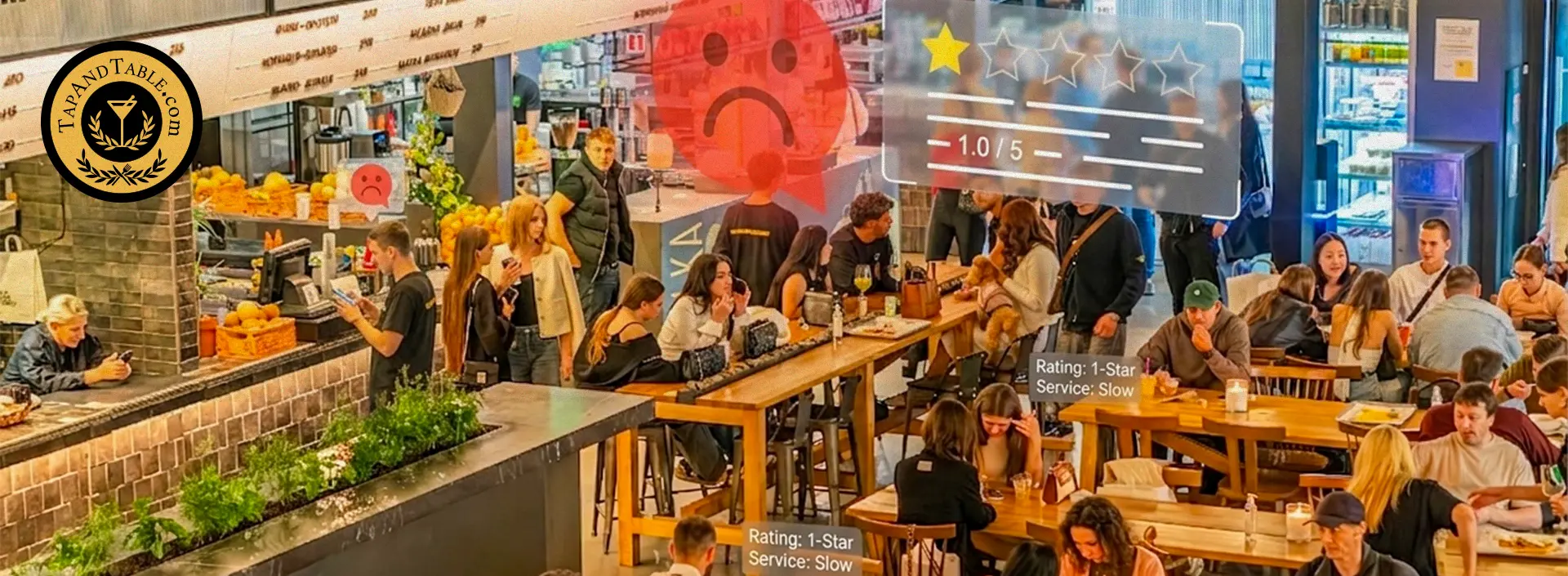
Why Some Restaurants Stay Alive Despite Bad Reviews
Some restaurants are strange like that. The reviews look rough. Someone says the service dragged. Another person says the food came out cold. A few people complain about the prices. Then you drive past on a busy night, and the place still has people inside.
The bar has its regulars. The lunch crowd still knows when to come in. A few guests probably have not checked the reviews in years. So the question is fair: why restaurants stay open despite bad reviews?
Usually, it is not because the reviews do not matter. They do matter, especially to someone trying the place for the first time. But a restaurant can still have things working in its favor. Location helps. So does habit. So does a fair price, a familiar menu, or a group of regulars who already feel at home there.
Bad reviews hurt in a quiet way first. They do not always clear the room overnight. A guest checks the rating, sees the same complaint twice, and chooses another spot. The owner never sees that person walk away because they never walked in.
The National Restaurant Association’s 2026 forecast points to comfort, value, and familiar dining as things guests still care about. That fits what happens in real restaurants. People often go back to places they know, even when the visit is not perfect every time.
Bad Reviews Do Not Tell the Whole Story
Reviews show part of the problem, not the whole business. A new guest may read a few bad comments and choose another place. A regular may never check the reviews at all. They already know the menu, the staff, and what they like to order.
That does not mean the reviews are harmless. It just means the damage may be happening in a place the owner cannot see right away. The room may still have familiar faces. Sales may not drop all at once. But new guests may be backing away before they ever walk in.
This is why reviews should be read for patterns. One person saying service was slow may be one bad shift. Ten people are saying it means something is happening inside the restaurant.
Restaurant Customer Loyalty Can Keep Seats Filled
Strong restaurant customer loyalty can carry a restaurant through hard seasons. Regulars are different from first-time guests. They have history with the place. They may know the owner, like the bartender, or have a favorite dish they always order. The restaurant may be part of their week.
That loyalty matters, but it can also hide problems. A regular may forgive a long wait. A new guest may not. A regular may say the kitchen had an off night. A new guest may leave and never come back.
That is where restaurant guest retention needs a closer look. It is not only about who keeps coming in. It is also about who comes once and does not return. If regulars stay but new guests disappear, the business is leaning on old trust.
How Restaurants Survive Bad Publicity With Value
Value can keep a restaurant going longer than people expect. That is one reason why it is not always easy to judge how restaurants survive bad publicity.
A guest may not love everything about the place, but the visit still feels fair enough. The portions are decent. The drinks are priced right. The happy hour works. Or the restaurant is simply close to the office, the apartment, the hotel, or the late-night crowd. A lot of guests are not reading every review before they eat. They are hungry. They are nearby. They know the place. So they go.
That can keep seats filled for a while. But once the price feels higher than the experience, patience gets thin. Slow service starts to bother people more. Inconsistent food becomes harder to ignore. And if another restaurant nearby feels cleaner, quicker, or easier, guests may quietly switch.
OpenTable’s 2026 dining trends show that diners are watching value more closely. For restaurants, that means the whole visit has to feel worth the check, not only the food.
When Restaurant Review Management Matters Most
Restaurant review management matters when the same complaints keep coming back. Every restaurant has bad nights. A server gets overwhelmed. The kitchen falls behind. A guest may be hard to please. That happens. Repeated complaints are different.
Owners should pay close attention when guests keep mentioning:
- slow service
- dirty restrooms
- cold food
- wrong orders
- rude staff
- long waits
- prices that feel too high
These are not just online comments. They are signs from the guest experience. The better approach is to read reviews like shift notes. What keeps going wrong? Is the kitchen behind? Are servers stretched too thin? Is the host stand losing control of wait times? Is the menu too large for the team to handle well? A reply can help, and a real fix helps more.
How Restaurant Reputation Management Starts Inside the Business
Restaurant reputation management does not begin with the review reply. It begins during the visit. It is the way the guest is greeted. How long do they wait? Whether the table feels ready. Whether the food comes out right. Whether the server notices when something is off. If those parts are weak, a nice reply online will not fix much. This is where Tap & Table fits in. A restaurant with bad reviews may not need more posts or more ads first. It’s like it may need someone to look at the shift and ask what is really going on.
The issue might be short staffing, quick training, slow kitchen timing, a menu that is too large, pricing that feels off, or managers trying to hold too much at once. Guests feel those things before they write about them. Reputation gets better when the visit gets better. The goal is not to hide bad reviews. It is to fix what keeps costing trust before more guests decide not to come back.
Conclusion
Bad reviews do not always close a restaurant right away. A strong location, loyal guests, fair value, and old habits can keep people coming in for a while. But staying open is not the same as being healthy.
If the same complaints keep showing up, the restaurant may be living on borrowed trust. That is the real answer to why restaurants stay open despite bad reviews. Something is still working, but something else needs attention.
Tap & Table supports restaurant owners in seeing both sides clearly, what still brings guests in and what is quietly pushing them away.

About the Author
Joseph Chickering
Frequently Asked Questions
Why do restaurants stay open despite bad reviews?
Often, because they still have regular guests, a useful location, fair pricing, or not many better options nearby.
How do restaurants survive bad publicity?
They survive when enough guests still see a reason to return. Over time, they have to fix the complaints that keep showing up.
What is restaurant review management?
Restaurant review management means reading reviews for repeated problems, replying when needed, and fixing what guests keep pointing out.